Design Guide | Published January 14, 2026
Inset vs Frameless Cabinetry: Which Is Right for Your Luxury Kitchen?
Two construction philosophies, two very different looks. Here's how to choose between inset and frameless cabinetry for a high-end kitchen.
When homeowners start planning a custom kitchen, the conversation almost always lands on the same fork in the road: inset or frameless? The two approaches produce strikingly different kitchens—one quietly traditional and tailored, the other clean and contemporary—and they sit at different points on the cost and lead-time scale. Neither is “better.” The right answer depends on the look you want, how the kitchen will be used, and your budget.
This guide breaks down what actually separates the two—not marketing language, but construction, function, and aesthetics—so you can walk into a design consultation already knowing which direction fits your home.
Where the door sits relative to the cabinet box
The One Distinction That Matters Most
Strip away the jargon and the entire debate comes down to a single detail: how the door and drawer front relate to the cabinet box.
Inset (a type of framed construction)
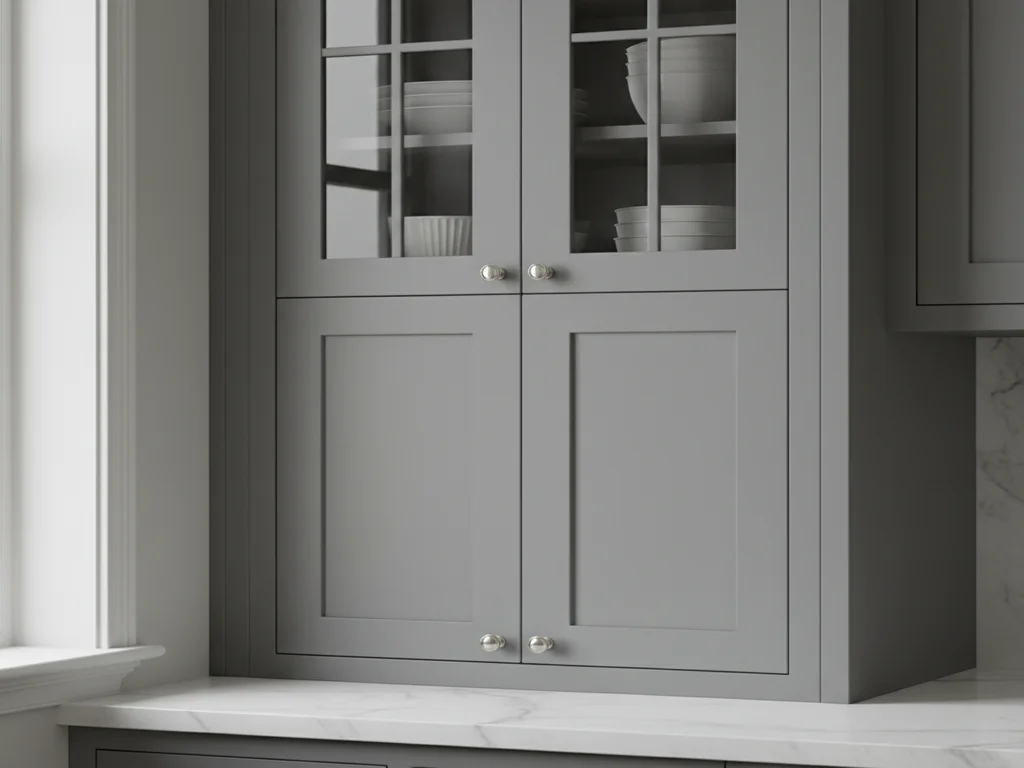
The cabinet box has a face frame—a flat border of wood around the front opening. The door is built to fit inside that opening, sitting flush with the frame like a well-made drawer in an antique dresser. You see a thin, even reveal of frame around every door and drawer.
Frameless (also called European or full-access)
There is no face frame. Doors mount directly to the sides of the box and cover nearly the entire front, leaving only a sliver of gap between them. The result is an uninterrupted run of door fronts with almost no visible structure.
(You’ll also hear about full-overlay framed cabinets, which have a face frame but use large doors that cover most of it. It’s a middle ground—the framed durability of inset with a more contemporary, near-frameless look.)
What each style communicates
The Look: Tailored Tradition vs. Clean Minimalism
Inset cabinetry reads as crafted and intentional. The visible frame and the precise, consistent reveals around each door signal that someone built this to tight tolerances. It’s the natural choice for traditional, transitional, English, and Shaker-style kitchens, and it pairs beautifully with furniture-style details, beaded frames, and exposed hinges.
Frameless cabinetry reads as sleek and architectural. With no frame to interrupt the surface, slab and flat-panel doors flow in long, quiet lines. It’s the backbone of modern, contemporary, and minimalist kitchens—especially handle-free designs with integrated pulls or touch-latch hardware.
A real, measurable difference
Function: Access and Storage
This is where frameless earns its “full-access” nickname. Because there’s no frame narrowing the opening, drawers can be wider and you get unobstructed reach into every cabinet. For deep base cabinets and pull-outs, that extra usable width is genuinely noticeable day to day.
Inset cabinets give up a little interior width to the face frame, and because the door fits inside the opening, the door itself takes up a sliver of the clear space when open. In practice this is a minor trade-off for most homeowners, but if maximizing every cubic inch of storage is the priority—say, in a smaller kitchen—frameless has the edge.
How each holds up over decades
Durability and Long-Term Behavior
The face frame in inset construction adds rigidity—it braces the box and resists racking over time, which is part of why framed cabinetry has been the American standard for generations. The trade-off is that inset doors are sensitive to seasonal wood movement. Because they fit so precisely inside the frame, high humidity can make them slightly tighter and dry winters can open the reveals a touch. A skilled cabinetmaker plans for this; it’s a characteristic of the style, not a defect.
Frameless boxes rely on thicker panels and quality hardware for their strength, and modern engineering makes them extremely robust. Their overlay doors are far less affected by humidity since they aren’t fitted into a tight opening. The main long-term consideration is that everything depends on precise hardware and solid box construction—another reason frameless quality varies so much between a true custom shop and mass-produced lines.
What to expect, and why
Cost and Lead Time
As a general rule, inset is the more expensive of the two. Fitting each door precisely inside its opening with consistent reveals is exacting work that demands more material and significantly more labor and fine-tuning. Within the custom market, inset typically carries a meaningful premium over comparable frameless or full-overlay cabinetry, and it can add to the build timeline.
Frameless is generally more efficient to produce, which is one reason it dominates the European market and contemporary American kitchens. That said, “frameless” spans an enormous quality range. A genuinely custom frameless kitchen with thick boxes, premium hardware, and fine finishing is a world apart from flat-pack lookalikes—and priced accordingly. These figures are general market guidance; your real number depends on materials, finishes, hardware, and the complexity of your layout.
Match the construction to your goals
A Simple Way to Decide
Lean toward inset if you want…
- A traditional, transitional, English, or Shaker aesthetic
- The visible craftsmanship of precise, even reveals
- Furniture-quality detailing and a heirloom feel
- And your budget has room for the premium
Lean toward frameless if you want…
- A modern, minimalist, or contemporary look
- Maximum interior storage and full access
- Long, uninterrupted runs of slab or flat-panel doors
- Strong value within a custom build
Still torn? Full-overlay framed cabinetry splits the difference—framed strength with a cleaner, more contemporary face.
Execution matters more than the category
The Detail Most People Miss
Here’s what years of building both teaches you: the gap between a great inset kitchen and a mediocre one is wider than the gap between inset and frameless. Inset only looks right when the reveals are dead consistent and the doors are fitted with care. Frameless only feels luxurious when the boxes are substantial, the hardware is excellent, and the finishing is flawless. The construction style sets the direction; the quality of execution determines whether your kitchen looks custom or just expensive.
That’s the real reason to choose a true custom cabinetmaker for either path—someone who can show you both in person, explain the trade-offs for your space, and execute the details that make the difference.
Explore
Plan Your Custom Kitchen
Related Reading
Trusted Resources
Frequently Asked Questions
- What is the difference between inset and frameless cabinets?
- Inset cabinetry is a type of framed construction: the box has a face frame around the front opening, and the door is built to fit inside that opening, sitting flush with the frame with a thin, even reveal around every door and drawer. Frameless cabinetry (also called European or full-access) has no face frame — doors mount directly to the sides of the box and cover nearly the entire front, leaving only a sliver of gap between them.
- Are inset cabinets more expensive than frameless?
- As a general rule, yes. Fitting each inset door precisely inside its opening with consistent reveals demands more material and significantly more labor and fine-tuning, so within the custom market inset typically carries a meaningful premium over comparable frameless or full-overlay cabinetry, and it can add to the build timeline. Frameless is generally more efficient to produce, though a genuinely custom frameless kitchen with thick boxes and premium hardware is priced far above flat-pack lookalikes.
- Do frameless cabinets offer more storage than inset?
- Frameless has the edge. With no face frame narrowing the opening, drawers can be wider and reach into every cabinet is unobstructed — a difference that is genuinely noticeable in deep base cabinets and pull-outs. Inset cabinets give up a little interior width to the face frame, a minor trade-off for most homeowners, but if maximizing every cubic inch matters, such as in a smaller kitchen, frameless wins.
- Do inset cabinet doors have problems with humidity?
- Inset doors are sensitive to seasonal wood movement because they fit so precisely inside the frame: high humidity can make them slightly tighter and dry winters can open the reveals a touch. A skilled cabinetmaker plans for this — it is a characteristic of the style, not a defect. Frameless overlay doors are far less affected since they are not fitted into a tight opening.
- What are full-overlay framed cabinets?
- Full-overlay framed cabinets have a face frame but use large doors that cover most of it. They are a middle ground between the two main styles — the framed durability associated with inset construction paired with a cleaner, more contemporary, near-frameless look — and a good option for anyone torn between the two.
Continue Reading
Related Guides
More in This Guide
Related Reading
Continue Learning
Planning a kitchen and want to talk it through with the person who will build it?
Request a Design Consultation