Design Inspiration | Published April 21, 2026
Architectural Millwork Ideas for Luxury Homes
The detail that separates a merely expensive home from a genuinely architectural one. Room-by-room millwork ideas worth stealing.
You can usually tell within seconds of walking into a home whether it was truly designed or merely furnished. The difference is millwork—the paneling, ceilings, trim, and built-ins that give rooms structure, proportion, and warmth. Furniture comes and goes; millwork is architecture you can touch, and it’s what makes a space feel considered, permanent, and custom. Here are the ideas that do the most work, organized by where they live in the home.
From subtle to statement
Wall Treatments That Define a Room
Full-height wall paneling
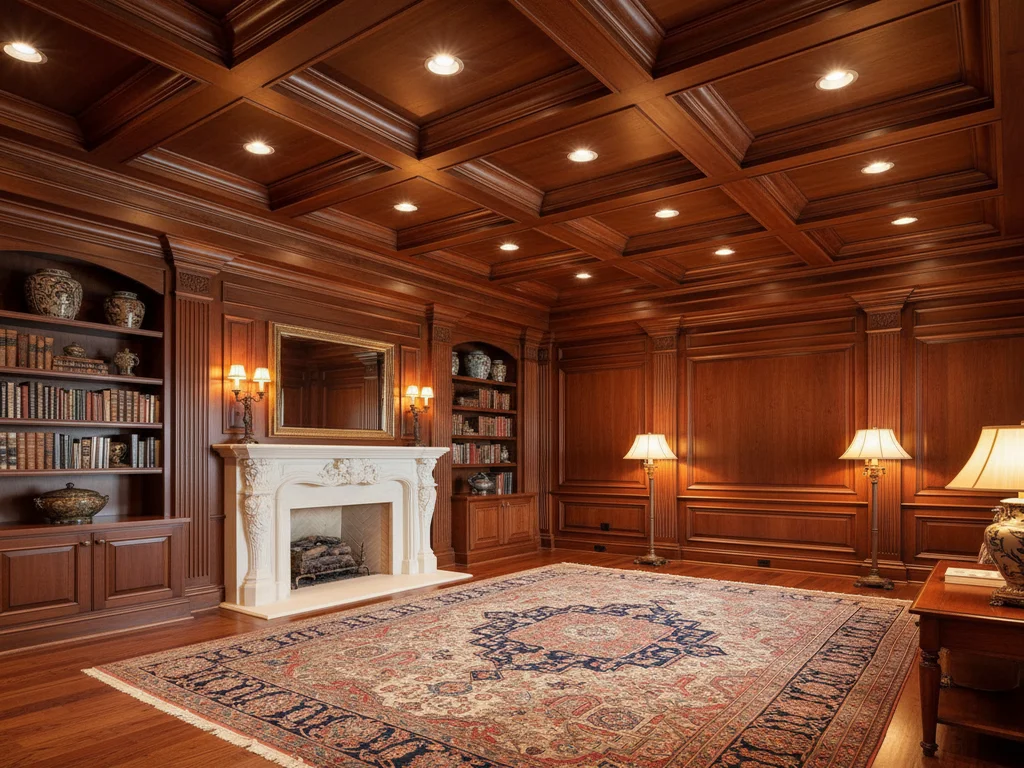
Floor-to-ceiling paneling—whether classic raised panels, flat recessed panels, or fluted and reeded surfaces—turns a flat wall into architecture. In a dining room or study it reads as quiet grandeur.
Wainscoting and board-and-batten
Lower-wall paneling adds texture and a sense of craftsmanship to hallways, stairwells, and dining rooms without overwhelming the space.
Fluted and slat-wood walls
Vertical fluting or wood slats bring rhythm, warmth, and a contemporary edge—stunning as a feature wall behind a bed, a bar, or a fireplace.
The most overlooked surface in the house
Ceilings That Look Up
The ceiling is the surface designers forget and craftspeople love. Coffered ceilings—a grid of recessed panels framed by beams—bring depth and formality to dining rooms, libraries, and great rooms. Beamed ceilings, whether timber-style or refined and painted, add warmth and scale. Tray ceilings trimmed with millwork lift a room and create a place for indirect lighting. Even simple plank or shiplap ceilings turn an ordinary hallway into something memorable.
Storage and display as architecture
Built-Ins With Purpose
- Floor-to-ceiling library shelving, ideally with a rolling ladder, that makes a room feel established and serious.
- Fireplace surrounds with flanking cabinetry, anchoring a living room and balancing display with hidden storage.
- Window seats and banquettes that turn a bay or nook into a destination, with drawers below.
- Mudroom lockers and benches that bring order to the family entrance with built-in cubbies, hooks, and seating.
- Built-in desks and home offices integrated into a wall of cabinetry rather than dropped in as furniture.
Trim is the punctuation of a room
The Details That Tie It Together
The quiet, cumulative work of fine trim is what makes a luxury interior feel finished. Substantial crown molding gives a room a proper edge where wall meets ceiling. Generous baseboards and casings around doors and windows lend weight and proportion. Cased openings and columns or pilasters define transitions between spaces without walls. Individually these are subtle; together they’re the difference between a room that feels built and one that feels merely painted.
Where millwork becomes the focal point
Statement Pieces
Some millwork exists to take center stage: a sculptural custom staircase with crafted railings and paneled details; a home bar built like fine furniture; a paneled home office or study that feels like a private club; or a glass-and-wood wine display that turns a collection into architecture. These are the elements guests remember, and they’re almost always custom millwork at heart.
Proportion is everything
Making Millwork Look Right
The reason custom millwork looks so different from off-the-shelf trim comes down to proportion and integration. Panel sizes are scaled to the wall and aligned with windows and doors; profiles are chosen to suit the home’s architecture; and everything is designed as a coherent whole rather than applied piecemeal. That’s craftsmanship the eye reads as “right” even when it can’t name why. Done well, architectural millwork doesn’t just decorate a luxury home—it becomes the bones that make every other choice look better.
Explore
Explore Custom Millwork
Frequently Asked Questions
- What is architectural millwork in a luxury home?
- Architectural millwork is the paneling, ceilings, trim, and built-ins that give rooms structure, proportion, and warmth. Unlike furniture, which comes and goes, millwork is architecture you can touch, and it is what makes a space feel considered, permanent, and custom rather than merely furnished.
- What is a coffered ceiling and where does it work best?
- A coffered ceiling is a grid of recessed panels framed by beams, and it brings depth and formality to dining rooms, libraries, and great rooms. Other ceiling millwork options include beamed ceilings for warmth and scale, tray ceilings trimmed with millwork that create a place for indirect lighting, and plank or shiplap ceilings that can make even an ordinary hallway memorable.
- What is the difference between custom millwork and off-the-shelf trim?
- The difference comes down to proportion and integration. In custom millwork, panel sizes are scaled to the wall and aligned with windows and doors, profiles are chosen to suit the home’s architecture, and everything is designed as a coherent whole rather than applied piecemeal, which is why the eye reads it as right even without naming why.
- Where does wainscoting work best in a home?
- Wainscoting and board-and-batten, both forms of lower-wall paneling, add texture and a sense of craftsmanship to hallways, stairwells, and dining rooms without overwhelming the space. For a stronger statement, full-height floor-to-ceiling paneling turns a flat wall into architecture and reads as quiet grandeur in a dining room or study.
Continue Reading
Related Guides
More in This Guide
Related Reading
Continue Learning
Planning a kitchen and want to talk it through with the person who will build it?
Request a Design Consultation